

Be Brief But Be Good
If you can write short, you've got a lot of options to break in to the freelance writing business.

Can you tell a story in 500 words? One with a character and tension. A clear focus and solid ending?
Writers who can write short, compelling pieces have a range of publishing opportunities to pursue.
Whether you want to write Web content, front-of-the-book pieces for magazines, corporate newsletters or blog posts, and short fiction, writing short is hard.
You try to explain what a dementia treatment does to the brain in 250 words and make it tight. I obsessed and cut and reworked and published a piece for a client on this very topic.
And I’ve written in all the forms above. Newsletters and landing pages tend to lean toward the shorter, blog posts can be longer, but most of these pieces should land between 250 to 1,000 words. The sweet spot, I find now is between 500 to 750.
How can you keep it short, get published and get the clips, or links you need to show other editors your work?
Know your focus. If you are writing a travel piece about an entire community, in less than 400 words, find the thread that pulls the elements together, in my case, it was local history/antiques, and build your focus around that. This is the angle I focused on: local history makes this town a hotspot for antique hunters and families. Make sure that your details support this angle.
Make every word count. No vague language. No adverbs. This is true for everything you write.
Find the characters and use their words through quotes or dialogue to express a major point. Dialogue and character are important in every story, nonfiction or fiction. Create the character or find a real-life personality who can share their insight and use their words to pull double duty to set the scene and illuminate the character.
Writing short is not easy for me—as you know if you’ve ever read one of these newsletters—but it is a great way to break into the business. Get good at it, and you’ll get the links you need to attract more assignments.
Also, listen to Simply Write w/Polly for more tips and thoughts about this.
Thanks for being here. It makes all the difference.
—p
What’s in the Desk?
On the Simp;y Write w/Polly podcast, we discuss writing craft and crafting a writer’s life and we talk about our favorite pens, trinkets, and tools writers like to have around when they write in the What’s in the Desk segment.
So, what’s in my desk today?
I’ve got a soft pen holder that a friend made me from repurposed felt and I love it. It keeps my fountain pens from knocking around against each other in my bag.
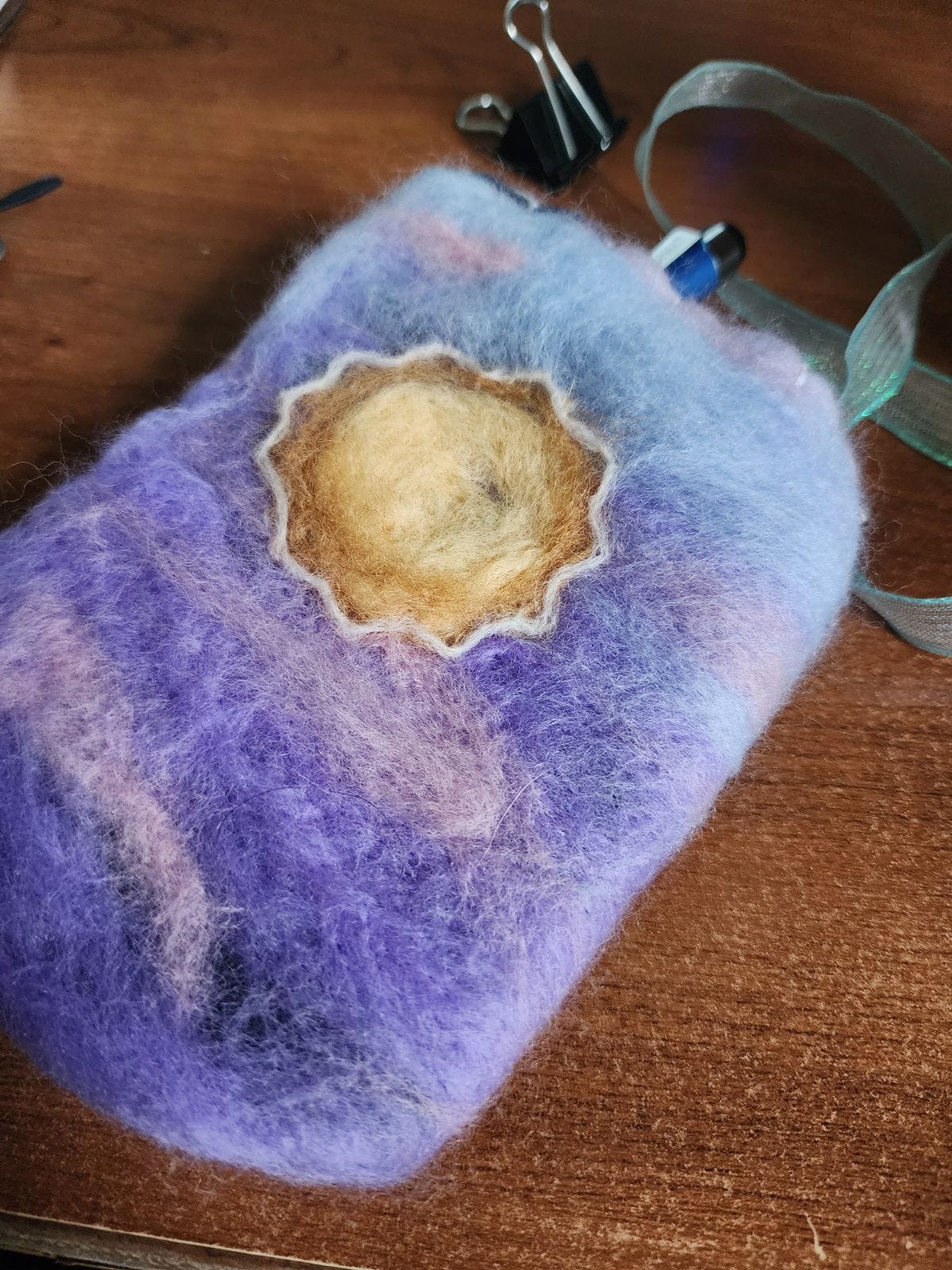
What’s in your desk—or on your desk? What do you like to have around when you write? Drop me a comment or note or shoot me a pic and I will include it in an upcoming newsletter.
Having a hard day writing?
Do not let yourself off the hook.
Sit down in your writing chair, pull the document up on the screen or get the notebook out, and start writing. Or sit there and stare at it. I don’t care. Though, I’ve always found writing to be preferable to staring.
Do not bail yourself out by playing a game of Wordle, or texting a friend. Do not take the dog out again, or get up for more coffee. Stay in your chair until you’ve put in some writing time, at least 10 minutes.
You don’t have to write well. You don’t have to finish a piece, but get in the habit of writing when you don’t feel like it and soon enough how you feel won’t be an issue, you’ll just get in the habit of doing the work.
On the harder-to-focus days, I always set the timer for 10 minutes. I just need to write for 10 minutes before I take a short break. But whether I write or not (I also write something) I need to sit there for
10 minutes. Usually, I’m sucked in by the time that first 10 has elapsed and I just keep on chugging.
Cheers to You!
Thank you, thank you. I so appreciate those of you who have signed up for the paid subscription option on Simply Write—it helps me to keep doing this work and producing the Simply Write podcast. If you have specific questions or things you’d like to see covered here, let me know. I want to make sure you are getting the info you need to support your writing goals.
Now, it’s time to get to work.
Sit down and simply write.
-p
“Start writing, no matter what. The water does not flow until the faucet is turned on."
- Louis L’Amour
